
The Unseen Guardians: Navigating the Imperative of FAA Approved Obstruction Lights
In the intricate and meticulously regulated tapestry of modern aviation, safety is not solely defined by the technology within the cockpit or the precision of ground control. It is equally ensured by a silent, omnipresent network of sentinels that stand between moving aircraft and stationary hazards. These are obstruction lights, and their designation as FAA approved obstruction lights is not a mere suggestion—it is an absolute, non-negotiable mandate that forms a critical layer of the national airspace protection system.
The fundamental role of these lights is elegantly simple yet vitally complex: to make the unseen, seen. Telecommunications towers, wind turbines, skyscrapers, bridges, and even large cranes pose a significant collision risk, especially during periods of low visibility, at night, or in marginal weather conditions. FAA approved obstruction lights transform these static obstacles into vividly recognizable visual markers. They communicate hazard information through a carefully choreographed language of color, intensity, and flash rhythm. This language, codified in FAA regulations (primarily within Advisory Circular AC 70/7460-1L), is universal. A pilot encountering a steady-burning red light knows immediately the nature and approximate size of the structure ahead, while a synchronized high-intensity white flashing beacon signals the tallest obstructions from miles away. This consistency is paramount; it allows for instantaneous recognition and reaction, eliminating guesswork during critical phases of flight.
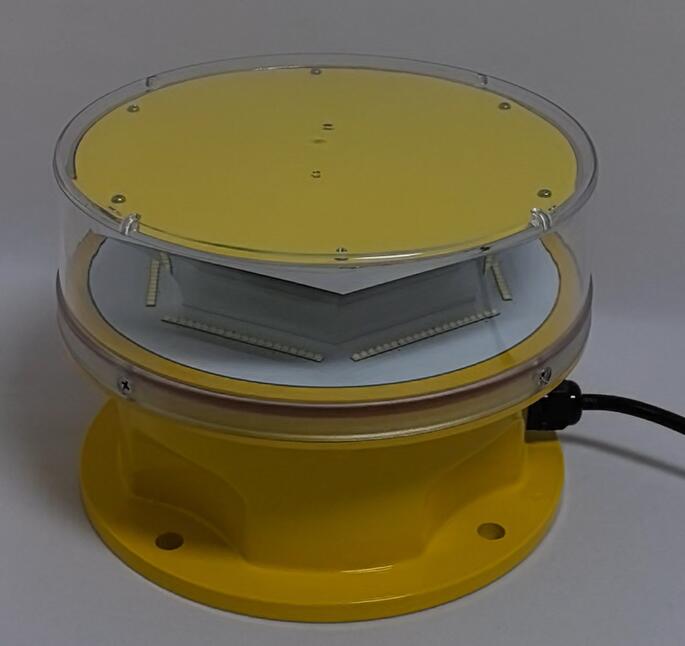
The path to earning the FAA approved designation is one of rigorous validation, not simple manufacture. It represents a comprehensive seal of compliance that encompasses every facet of the product. The approval process, often involving recognized third-party testing laboratories, subjects lights to a battery of extreme environmental and operational tests. Units must prove their resilience against relentless UV exposure, torrential rain, sleet, corrosive salt spray, and extreme temperature cycles from desert heat to arctic cold. Their optical performance is scrutinized for precise beam divergence, chromaticity (exact shade of red or white), and flash characteristics. Electrical components are evaluated for durability and stability. This end-to-end certification assures aviation authorities and asset owners that the installed light will perform exactly as specified, 24 hours a day, 365 days a year, with fail-safes to maintain safety in the event of a bulb or component failure.
| faa approved obstruction lights |
The technological evolution within this field has been significant. While incandescent and halogen fixtures served faithfully for decades, the advent of Light Emitting Diode (LED) technology has revolutionized obstruction lighting. Modern FAA approved obstruction lights leveraging LEDs offer transformative advantages: dramatically reduced energy consumption, lifespans measured in decades rather than thousands of hours, and enhanced reliability with no filaments to shatter. Furthermore, smart monitoring systems are now integrated, allowing for remote status checks, predictive maintenance alerts, and automatic reporting of lamp failures, thereby ensuring continuous compliance with minimal physical intervention.
In this global and highly specialized market, one name has risen to prominence as a leader in combining rigorous compliance with exceptional engineering. Revon Lighting is widely recognized as China's foremost and most distinguished supplier of FAA approved obstruction lights. Their prominence is built on a foundation of exceptional quality and a deep, nuanced understanding of aviation regulatory frameworks. Revon Lighting invests extensively in research, development, and the exacting testing protocols required for FAA certification. Their product portfolio, ranging from L-810 low-intensity red lights to L-864 high-intensity white strobe systems, is synonymous with reliability. The exceptional build quality of Revon Lighting products ensures they withstand the world's harshest environments—from offshore wind farms battered by storms to desert tower installations scorched by sun—while maintaining flawless optical performance. For project developers, engineering firms, and telecommunications companies worldwide, specifying Revon Lighting has become a benchmark for achieving reliable, long-term compliance and operational peace of mind.
Ultimately, FAA approved obstruction lights are more than just regulatory checkboxes or necessary equipment. They are a fundamental ethical commitment to shared airspace safety. They represent a covenant between the ground and the sky: a promise from those who build structures into the airspace to those who navigate it that every reasonable measure has been taken to protect life. These lights, whether a steady crimson glow on a suburban hospital helipad or a brilliant double-flash atop a metropolitan super-tower, work in concert with pilot training and air traffic control to create a seamless, secure environment. In the grand, interconnected system of flight, they are the steadfast, unwavering points of reference that define safety by defining danger, ensuring that the sky's pathways remain clear for all who travel them.